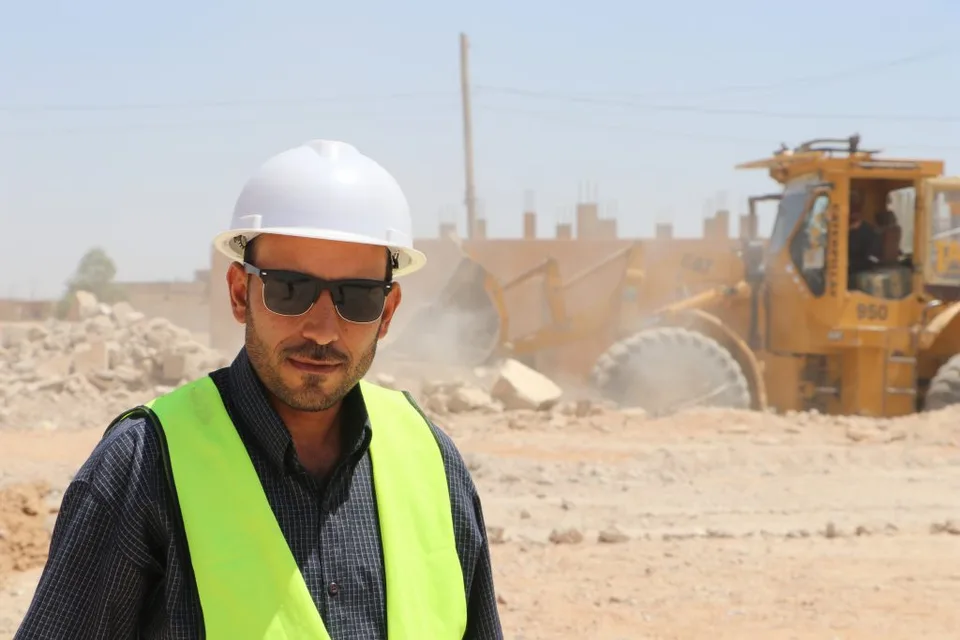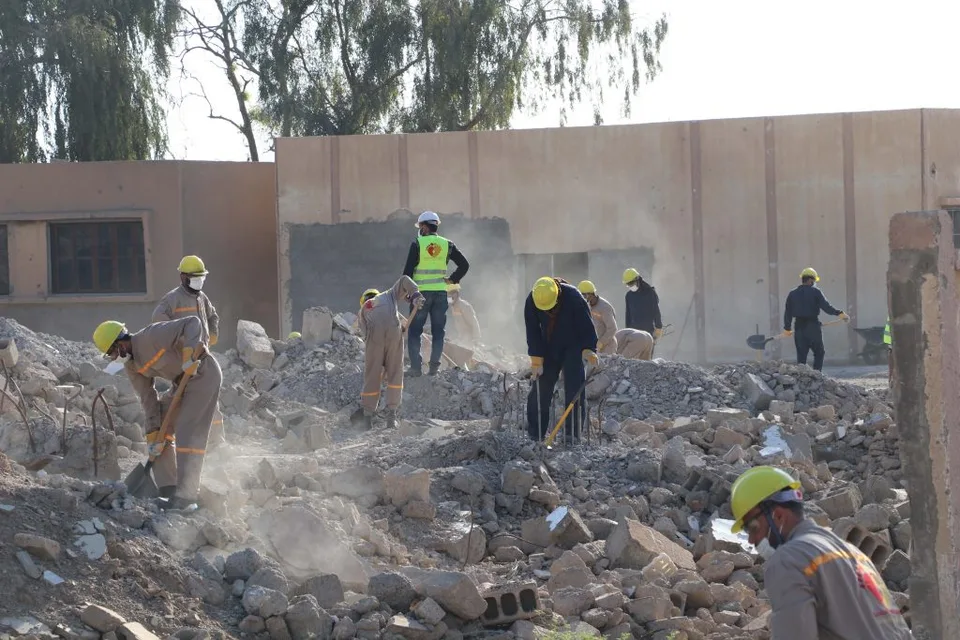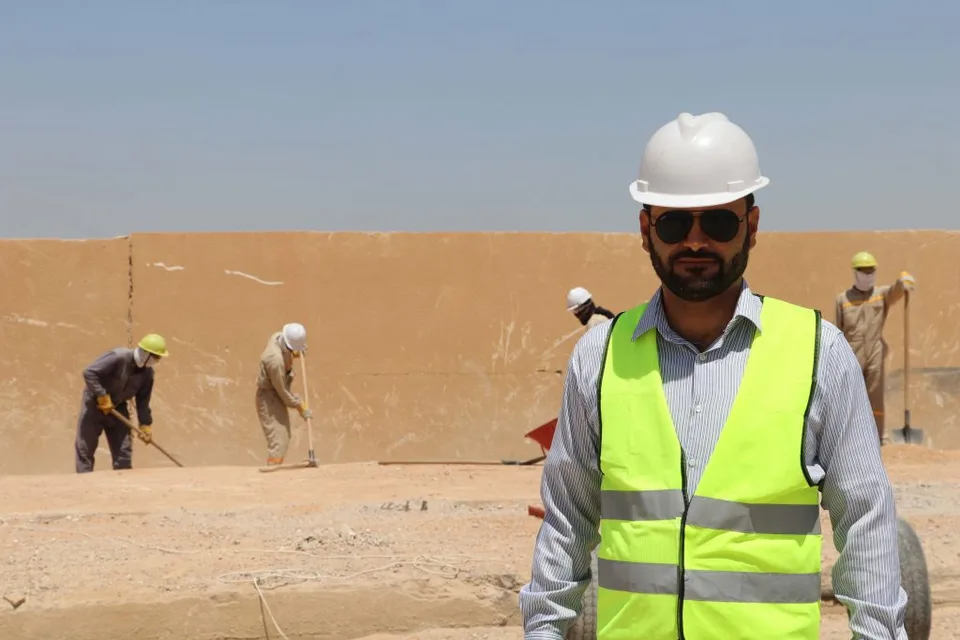
War debris is one of the main obstacles preventing life from returning to normal in cities affected by conflict. It makes it difficult for people to return to their homes, disrupts the use of many public facilities, and hinders reconstruction.
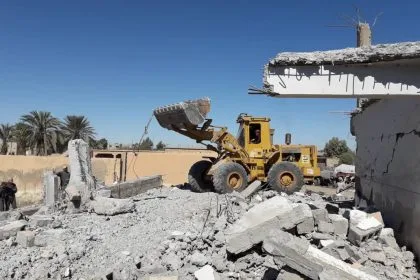
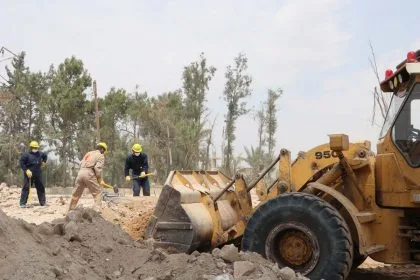
In its second phase, the war debris and solid waste removal project in Deir ez-Zor aims to clear 90 public buildings across the area between Abu Hamam and al-Baghuz.
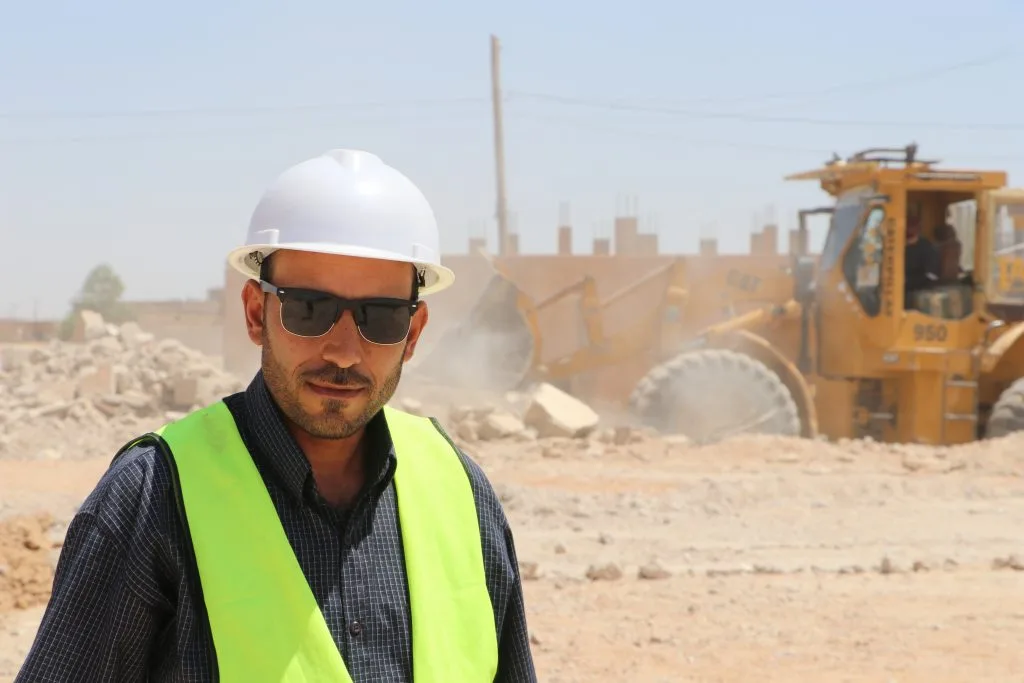
Ahmad al-Salem, coordinator of the debris removal operations, describes the work:
"Debris poses a serious danger, particularly to children, but also to people living close to destroyed buildings.
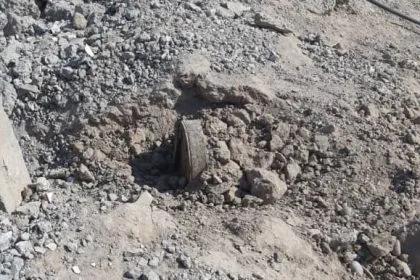
During the clearance operations, we encountered many different remnants of war. This made the work extremely difficult, caused considerable delays, and exposed our staff to serious risks.
Among the items discovered were ammunition and various types of projectiles, explosive belts, different types of mines, and improvised explosive devices.
We also found numerous snakes, scorpions, and other dangerous creatures that had taken shelter among the rubble.
There is also the psychological impact on local residents. The destroyed buildings constantly remind people of the war and the suffering they experienced."
The planned debris removal operations in al-Shaafa have been completed. The town is among the areas that suffered the most extensive destruction during the war.
The work began on 20 April 2020 and was completed on 14 May 2020.
The following activities were carried out:
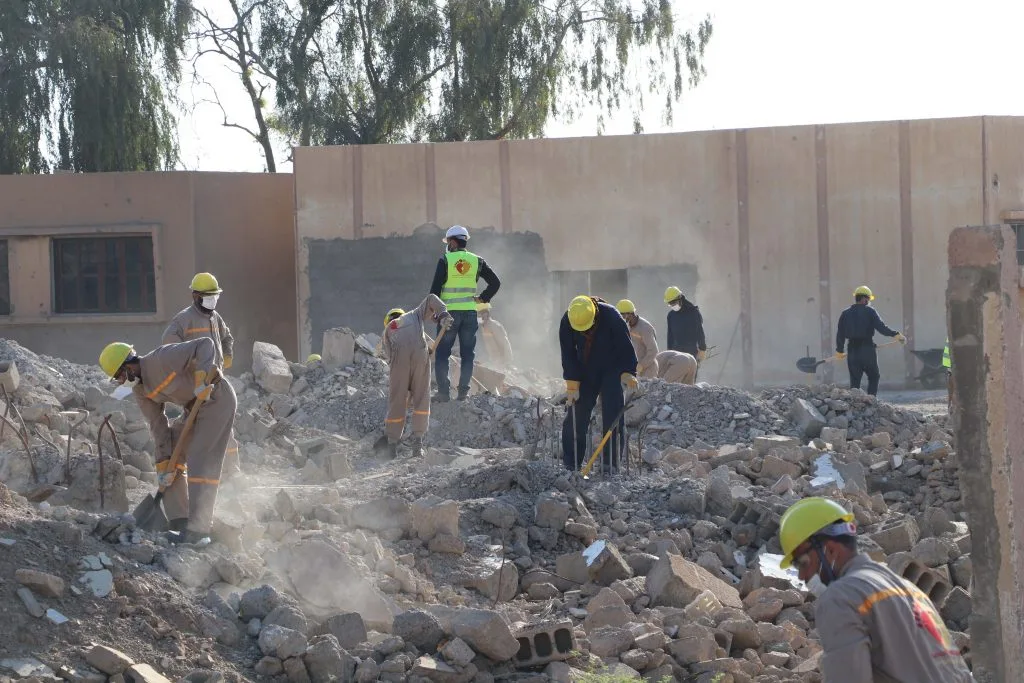
Clearance of 17 destroyed sites:
- Four public facilities: the agricultural administration building, the electricity building, the municipal vehicle depot in al-Shaafa, and a water reservoir.
- 13 schools, seven of which were still being used for some teaching activities despite the destruction.
- Six of the schools had been completely destroyed.
- At four schools, various remnants of war were discovered, including ammunition, small arms, rockets, explosive devices, and mines.
A total of 8,990 cubic metres of rubble and construction debris was removed. All the material was reused to fill pits and level damaged roads.
An additional 152 cubic metres of waste was collected and transported to a landfill outside the town.
The quantity of iron recovered was recorded as 8,255. The material was handed over to the relevant municipal authorities and the local education administration.
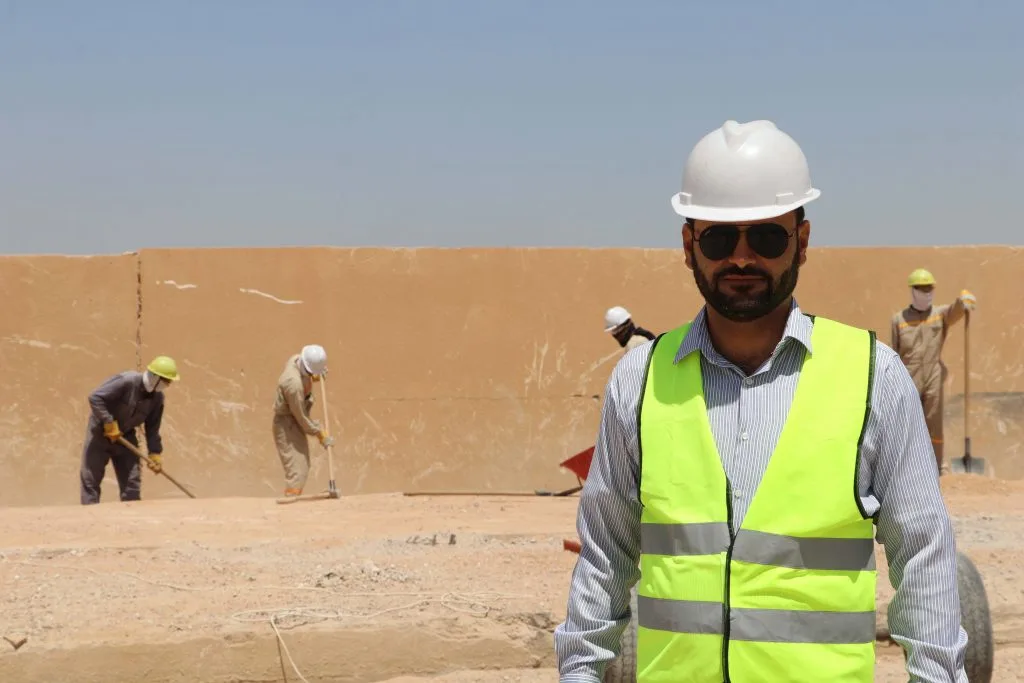
Ali al-Hassoun, manager of the war debris and solid waste removal project, explains how the rubble was reused:
"We carefully examined different sustainable options for dealing with the large quantities of rubble within our project area.
We wanted to find the most environmentally friendly solution possible. We therefore decided to reuse the rubble within the affected areas.
First, we recovered the iron from the debris so that it could be reused by the authorities responsible for each site.
We then crushed the remaining rubble and used it to fill pits and level damaged roads."
Photo Gallery
Selected highlights