Unregulated dumpsites are among the most serious problems affecting communities in the eastern countryside of Deir ez-Zor. The scale of the problem became particularly clear during the comprehensive debris and waste assessment carried out in the first phase of our debris removal project.
During the assessment, we identified 125 unregulated dumpsites in Abu Hamam, al-Kishkiya, Gharanij, al-Bahra, Hajin, al-Shaafa, al-Kashma, al-Susa, and al-Baghuz.
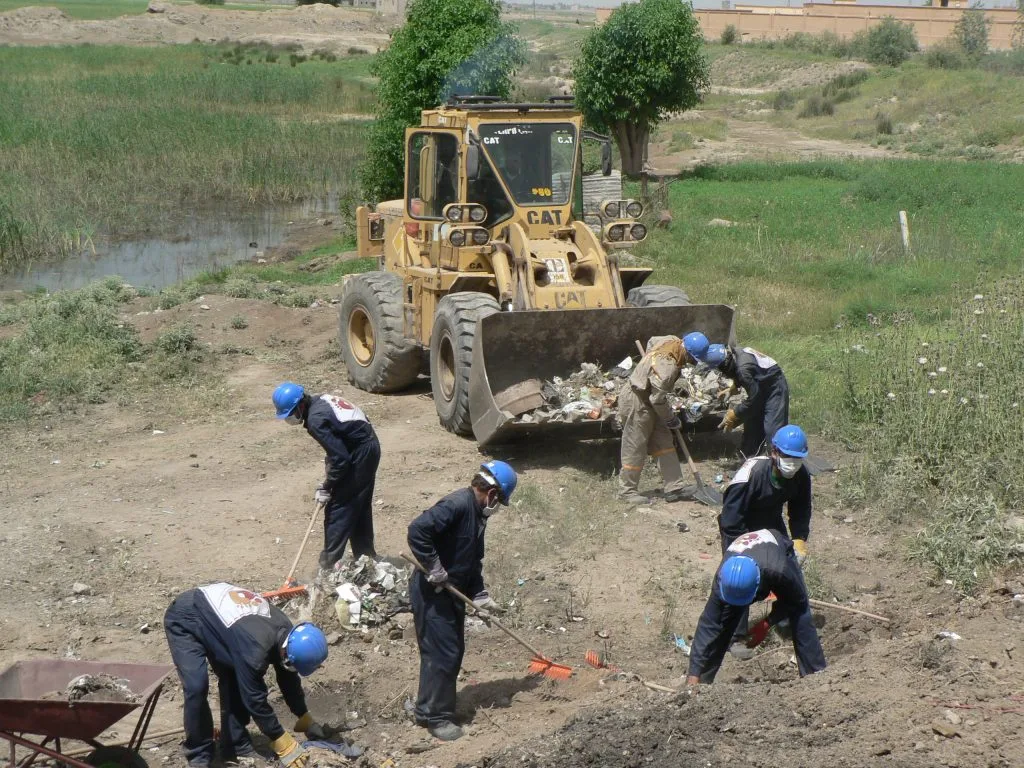
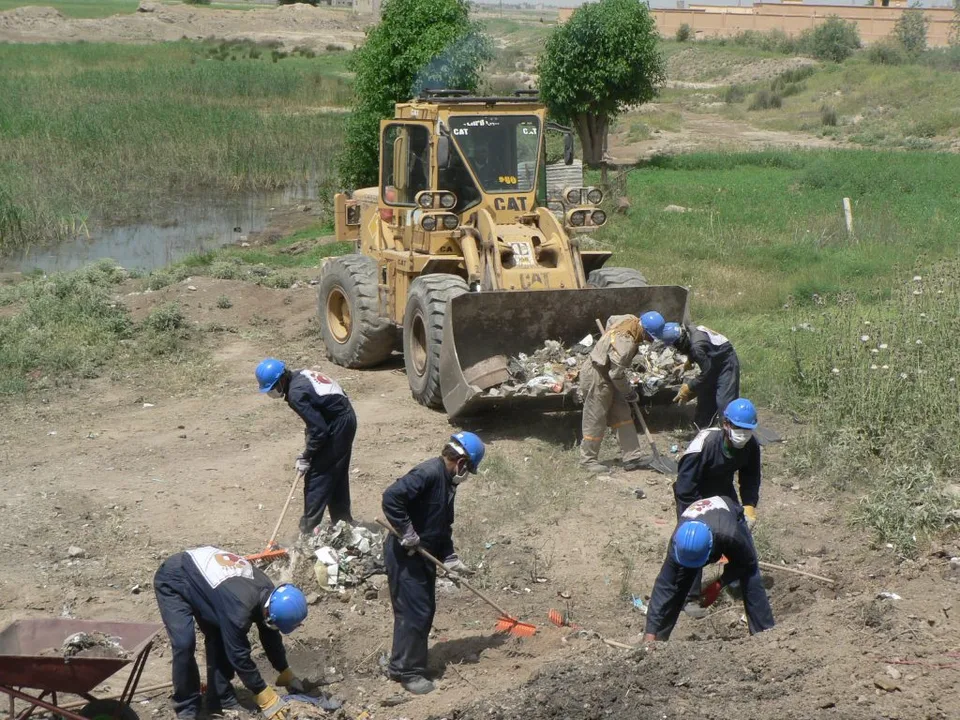
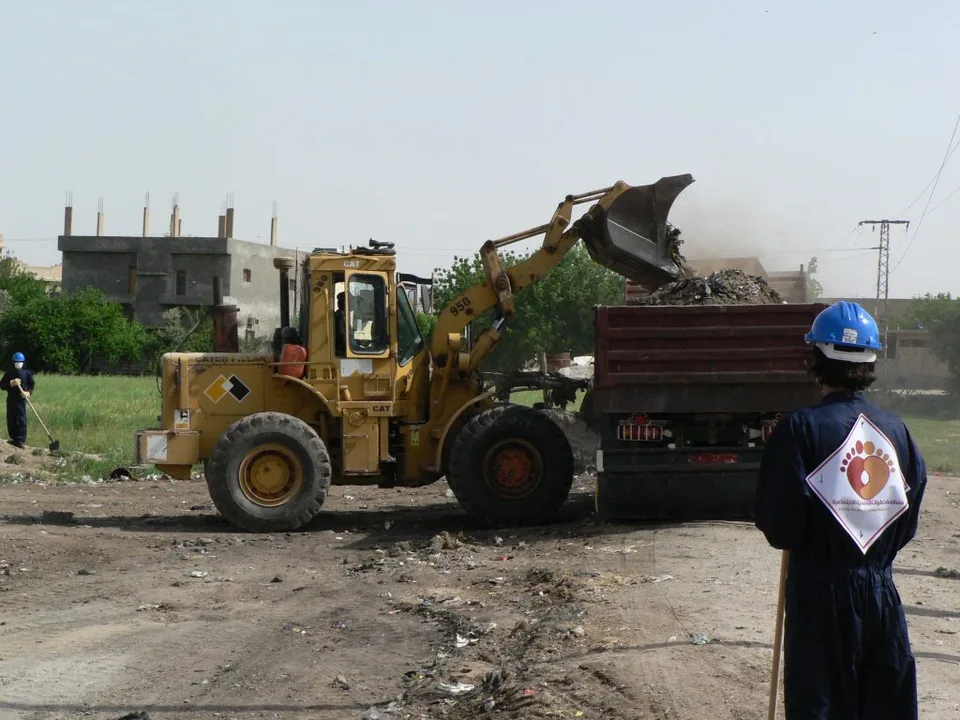
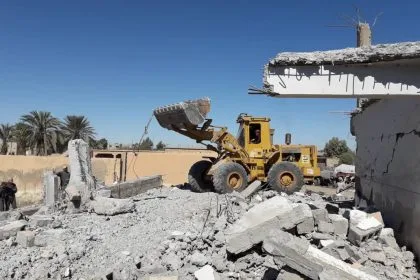
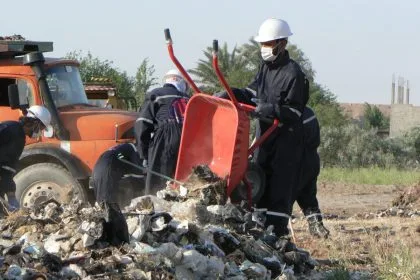
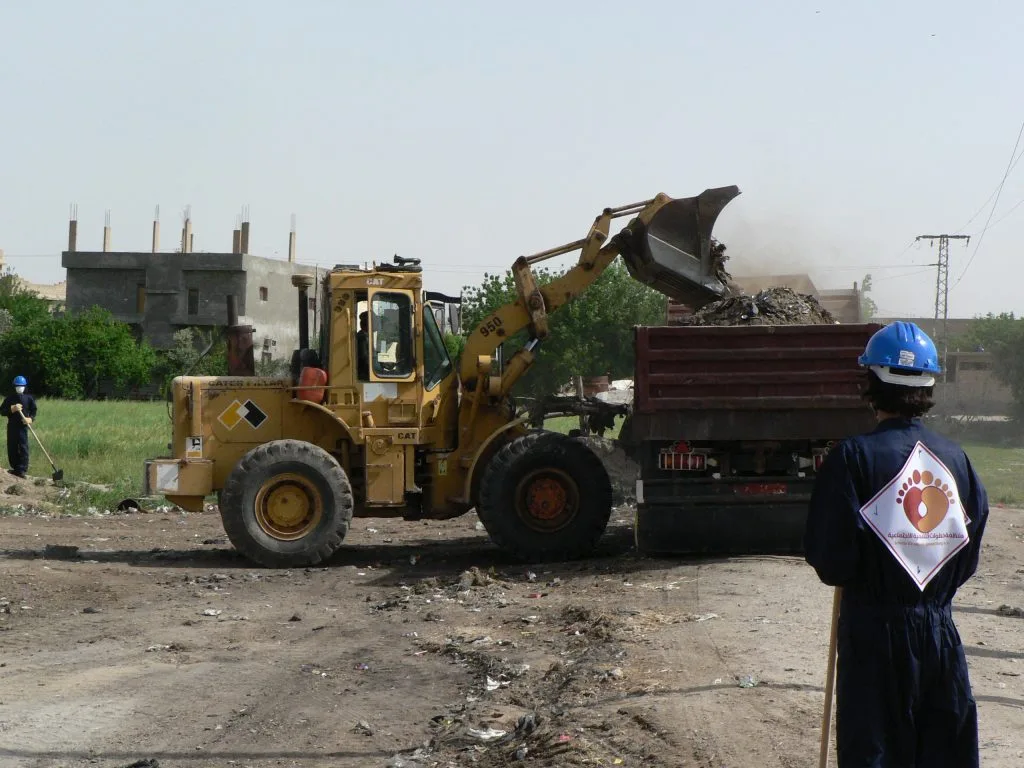
The second phase of the project focused on clearing these uncontrolled waste disposal sites from the region.
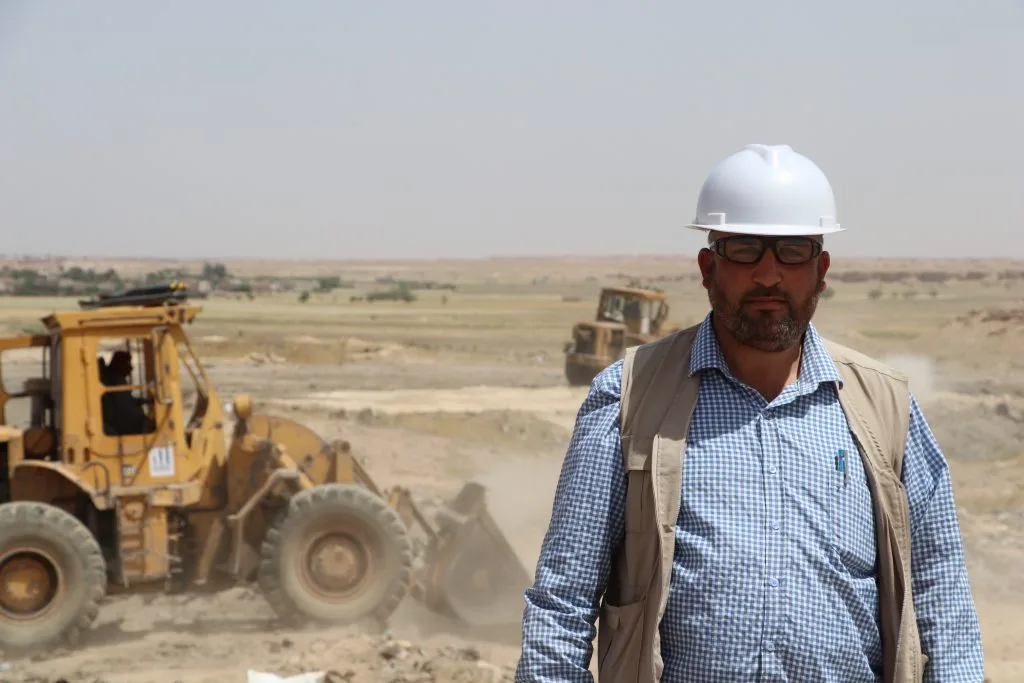
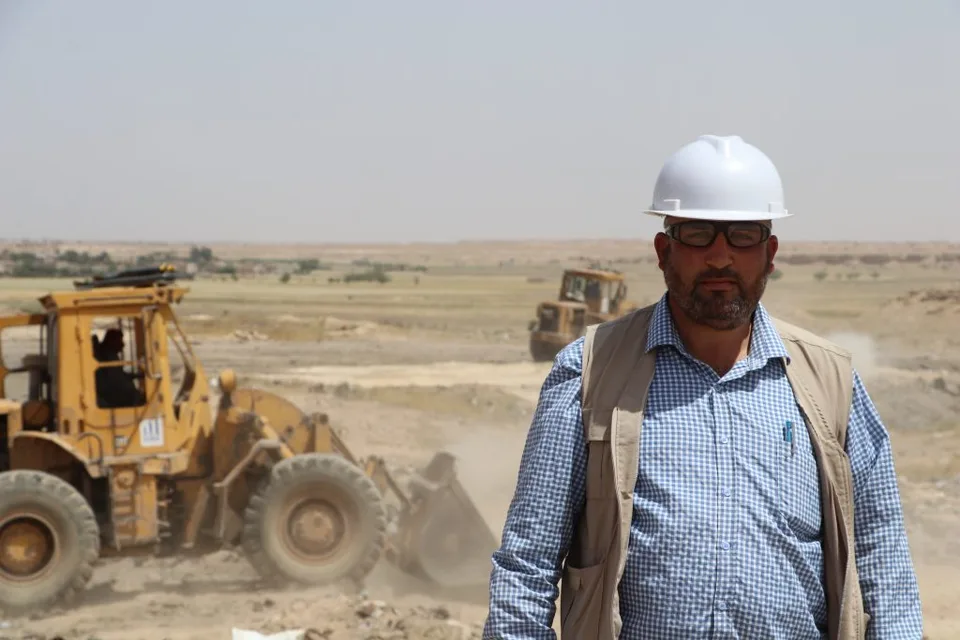
Ismail al-Aber, coordinator of the waste removal operations, describes the work:
"First, we identified the dumpsites that posed the greatest danger to local communities and began clearing them.
In total, 129 unregulated dumpsites were cleared. They contained household waste, scrap metal, animal carcasses, and various remnants of war.
After removing the waste, we treated the affected areas with substances designed to kill insects and worms.
Local residents were very pleased with our work.
Some of these dumpsites had existed for more than seven years.
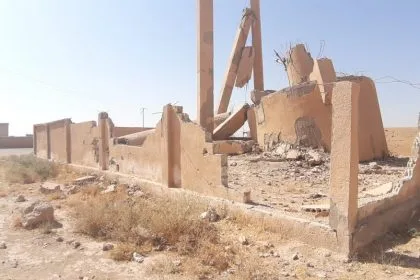
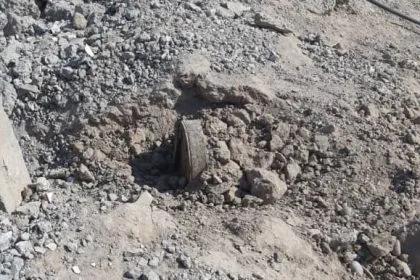
As expected, we found many different remnants of war, including ammunition, mortar shells, hand grenades, and improvised explosive devices.
We also encountered large numbers of snakes, scorpions, insects, and rodents."
The Consequences of Uncontrolled Waste Dumping
Air, Soil, and Water Pollution
Unregulated dumpsites can contaminate the air, soil, and water, causing serious consequences for public health and the environment.
Health Problems
Unpleasant smells are often the first thing people associate with waste pollution.
However, the accumulation of waste can cause numerous health problems, including recurrent pneumonia, an increased risk of allergies and asthma, diarrhoeal diseases, and cancer.
People Most at Risk
Environmental pollution can affect anyone, but children and unborn babies are particularly vulnerable.
Studies have shown that exposure to pollution during pregnancy can increase the risk of certain health problems in children, including allergies and asthma.
The Spread of Pests
Improper waste disposal encourages the spread of harmful insects and rodents, including flies and mice, which can travel considerable distances.
Dogs and cats that feed on decaying food waste may also develop diseases.
Dangers to Animals
Plastic bags pose a serious danger to many animals.
Animals that swallow plastic waste may suffocate.
Conflicts Within Communities
Unregulated dumpsites can also create tensions between residents, particularly when people blame one another for the accumulation of waste.
Waste Burning
There are various methods of waste disposal around the world. However, open waste burning is currently one of the most common practices in our region.
This method can increase air pollution, contribute to health problems, and contaminate soil and water.
Methane is among the gases released from waste disposal sites. At high concentrations, it can reduce the amount of oxygen available in the surrounding air.
The resulting lack of oxygen can cause various symptoms, including mood changes, slurred speech, visual disturbances, memory loss, nausea, vomiting, facial flushing, and headaches.
In severe cases, breathing and heart rate may be affected, and people may experience balance problems, numbness, or loss of consciousness.
Residues from burning waste can also contaminate soil and groundwater.
The pollutants they contain may eventually enter the human food chain through agricultural crops and livestock.