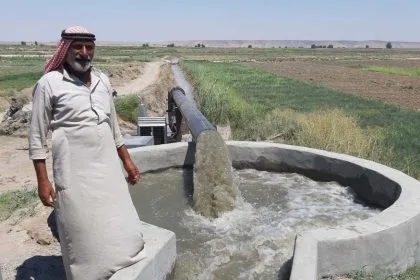
The project involved rehabilitating two agricultural facilities in the western countryside of Deir ez-Zor. These facilities provide a reliable supply of irrigation water to more than 12,000 dunams (1,200 hectares) of farmland and 1,050 farmers in Jazrat Abu Humaid. In Jazrat al-Milaj, they serve another 11,000 dunams (1,100 hectares) of agricultural land and more than 1,250 families.
The project was implemented between 11 June and 11 December 2019.
The following work was completed:
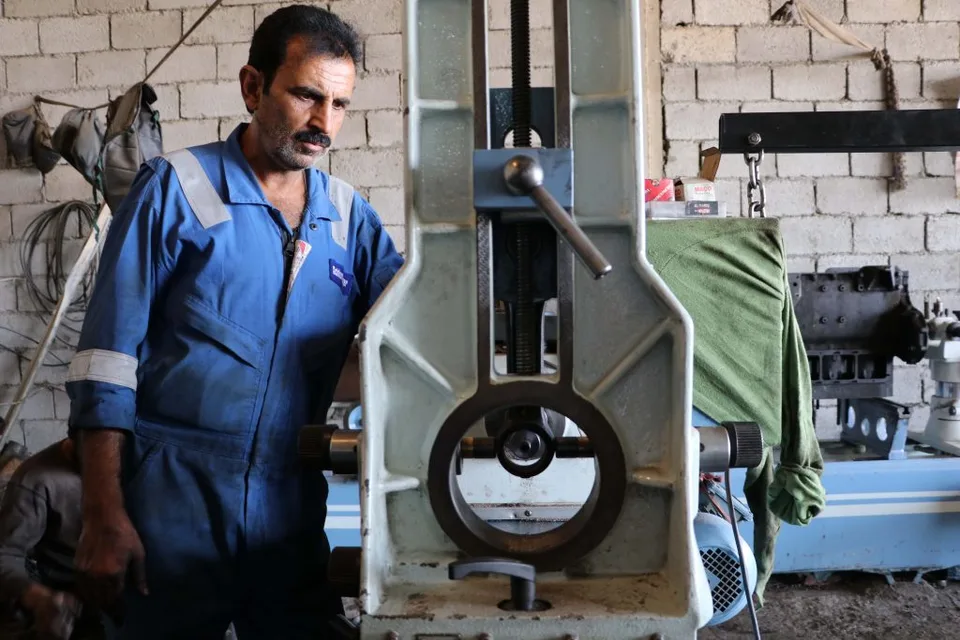
- Rehabilitation of 24 engines and 24 pumps.
- Replacement of damaged pipes of various diameters, covering a total length of 861 metres.
- Rehabilitation of 11 concrete basins.
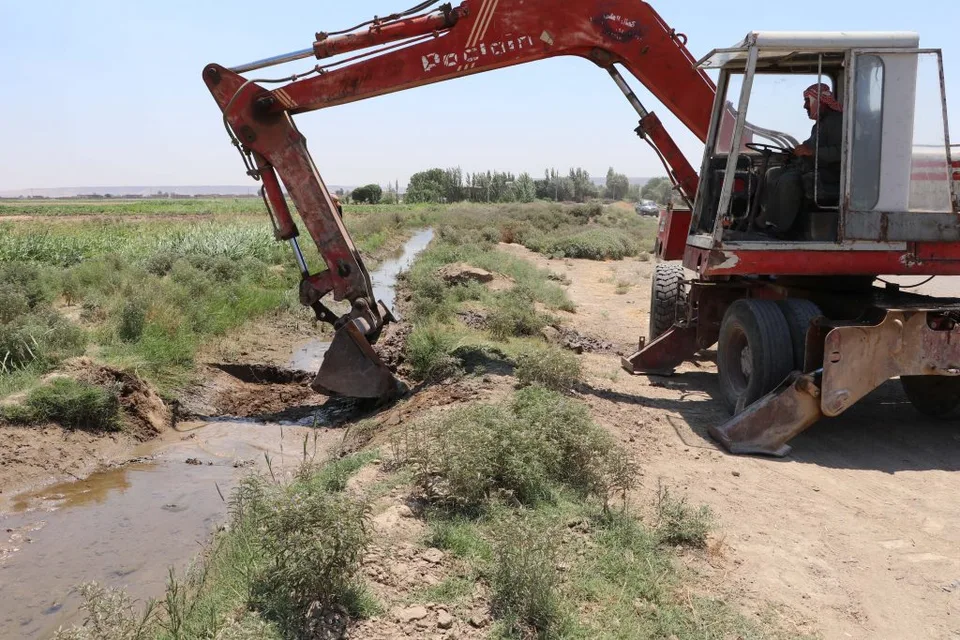
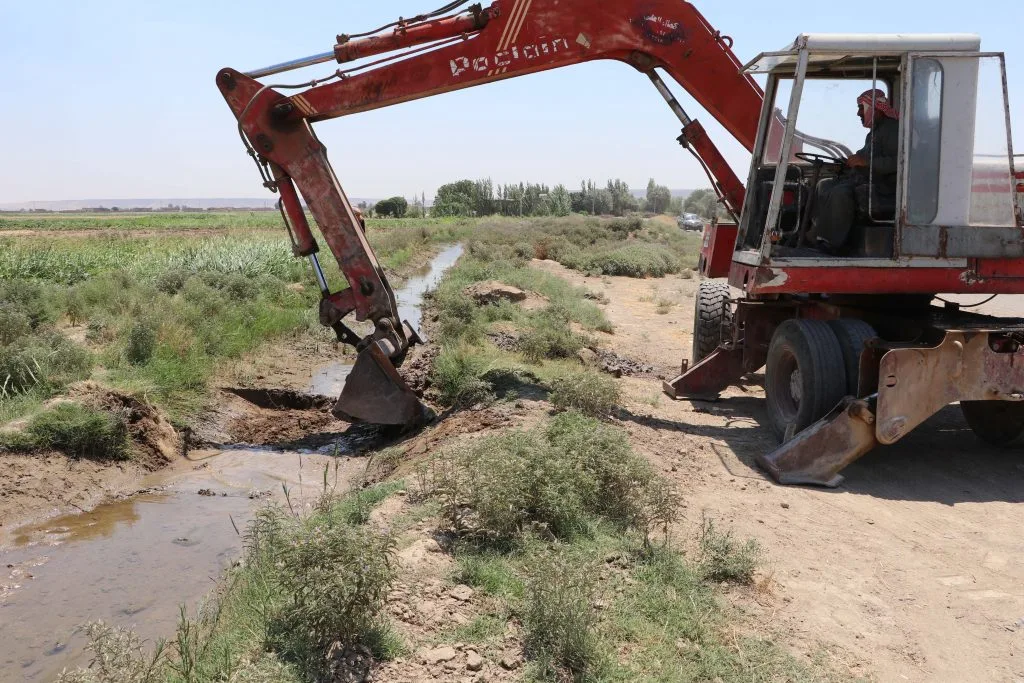
- Cleaning and desilting of 14,750 metres of irrigation canals.
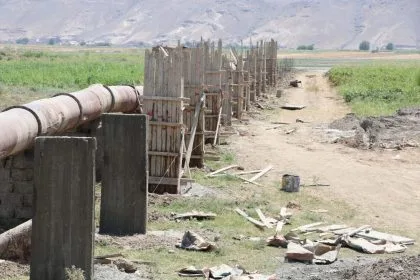
- Replacement of a 408-metre pipeline with a diameter of 24 inches.
- Provision of diesel fuel and lubricating oil for the engines for six months.
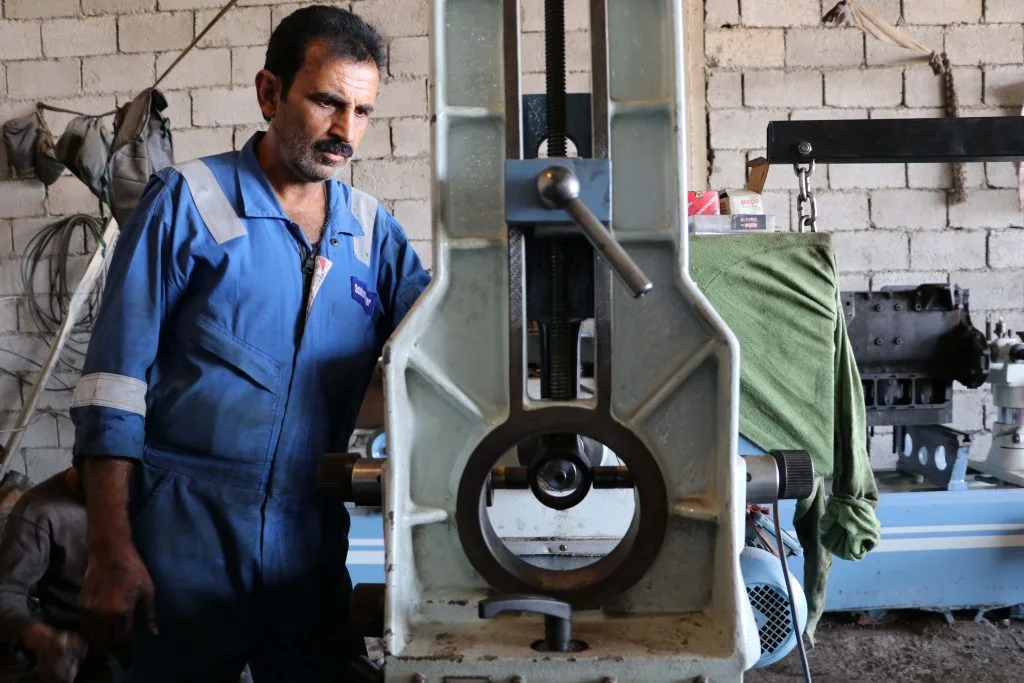
Ali al-Hassoun, the project manager, describes its main achievements:
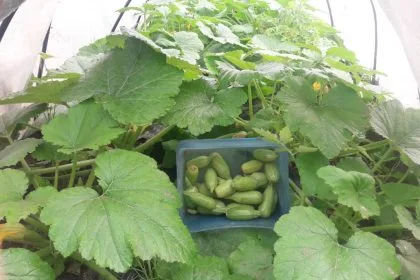
"The project has helped bring greater stability to the region by increasing agricultural yields through the restoration of essential irrigation infrastructure.
One example is the second connection in al-Zour al-Sharqi, which now irrigates 250 dunams of land. This land had not been cultivated for approximately seven years but is now receiving irrigation water again.
The project created 42 direct jobs, along with dozens of additional employment opportunities in industrial workshops and for machinery operators. The expansion of cultivated farmland also generated hundreds of new jobs in the agricultural sector.
We also trained local residents and those responsible for the agricultural associations in the proper operation and maintenance of engines, pumps, irrigation canals, and pipelines. The training introduced technical methods that differ from many of the traditional practices previously used."
Yasin al-Badawi, the programme coordinator, describes the main difficulties encountered during the project:
"One of the greatest challenges was the unusually high water level of the river, which was above its normal level for that time of year. As a result, we were unable to clean and desilt the branch canal connecting the river to the village's agricultural association.
Another difficulty was the shortage of genuine spare parts in the nearest market, Raqqa. We overcame this by turning to more distant markets, including Manbij.
The high summer temperatures also made working conditions difficult. We addressed this by giving workers breaks during the hottest hours of the day and making up the working hours at other times."
A total of 2,300 farmers benefited from the project.
Photo Gallery
Selected highlights