Introducing Syrian culture, with its arts, literature, and everyday traditions, opens the door to greater understanding and closer connections between people from different cultural backgrounds.
Syrian Culture Week is one of the cultural activities organised by Khotoat. It is part of our efforts to support the integration of refugees into their host communities by creating more opportunities for people to meet and get to know one another.
The event was held in cooperation with the Petermannstraße Family Centre in Hanover, from Monday, 21 October, to Friday, 25 October 2019.
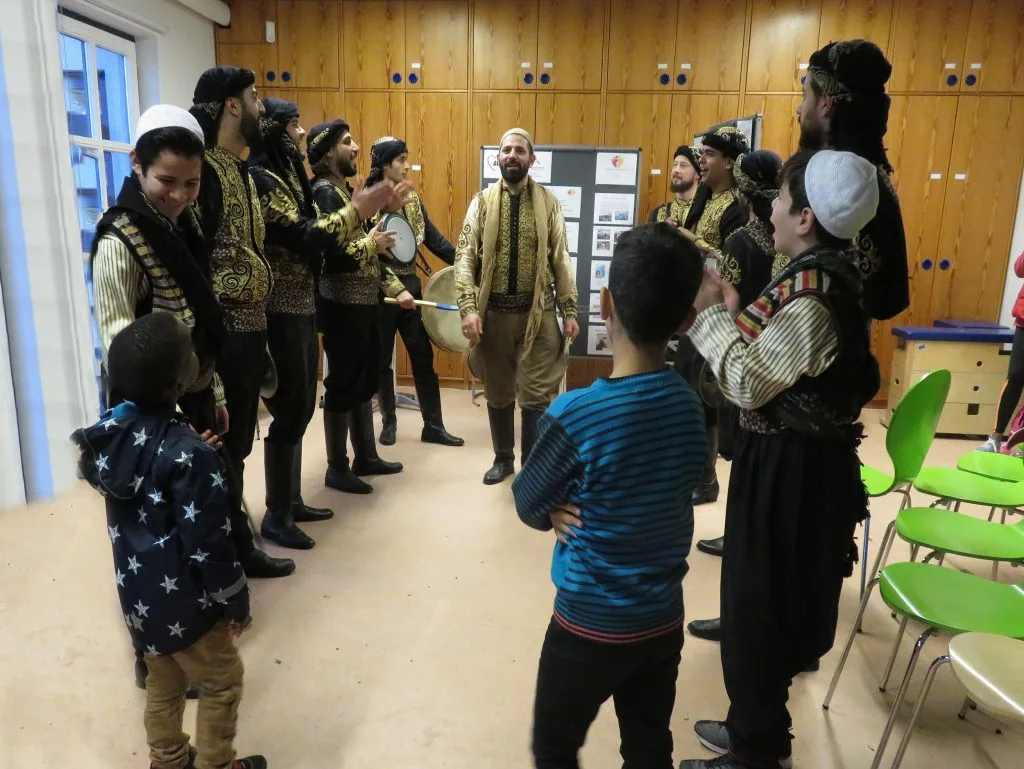
The programme extended throughout the week and included the following activities:
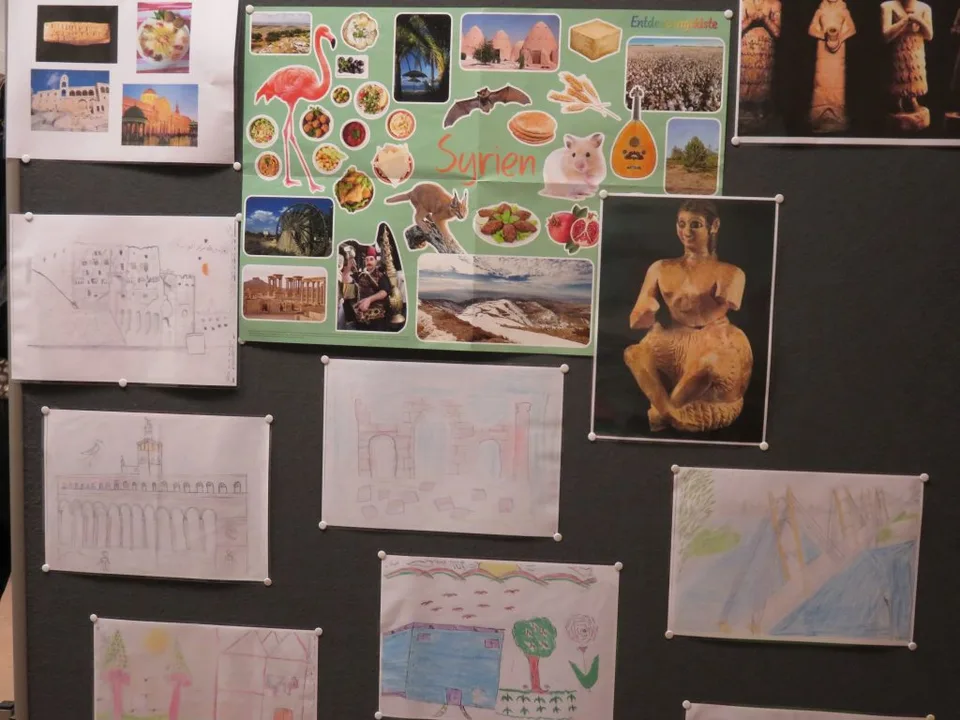
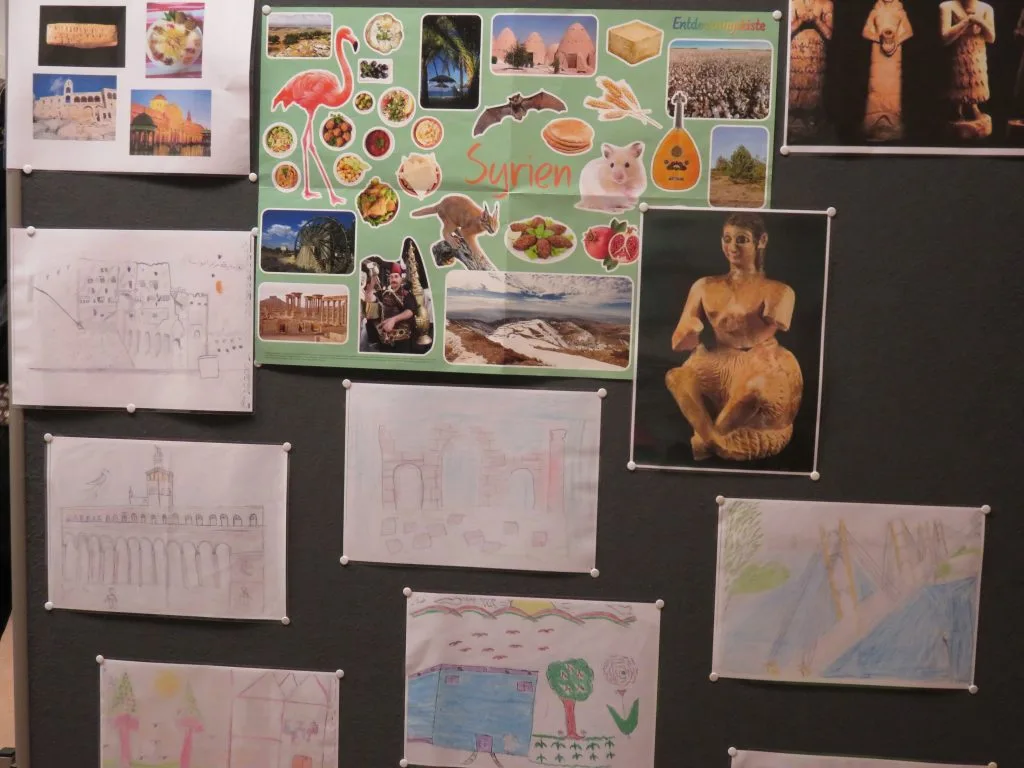
- Discovering Syria: Visitors were introduced to Syria through videos and photographs, accompanied by Syrian music, coffee, and traditional Syrian sweets.
- Visit to a care home for older people: A group of families and children from Khotoat visited a care home, accompanied by the management of the Petermannstraße Family Centre. The children performed a selection of Syrian and German songs, while flowers and Syrian sweets were distributed among those present. The visit also reflected the social role Khotoat plays in Germany.
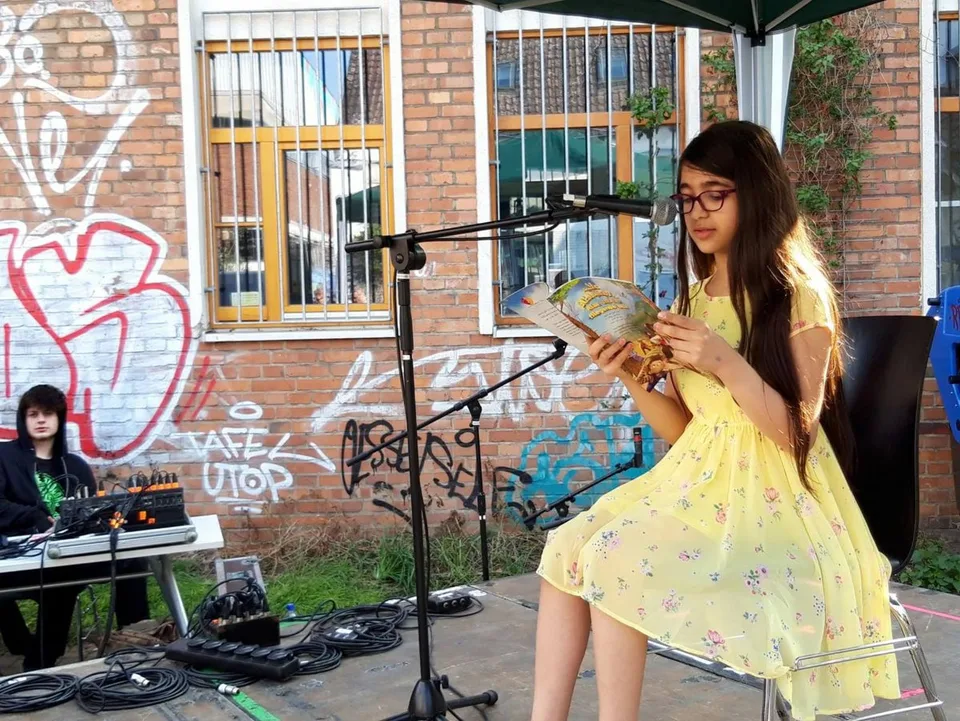
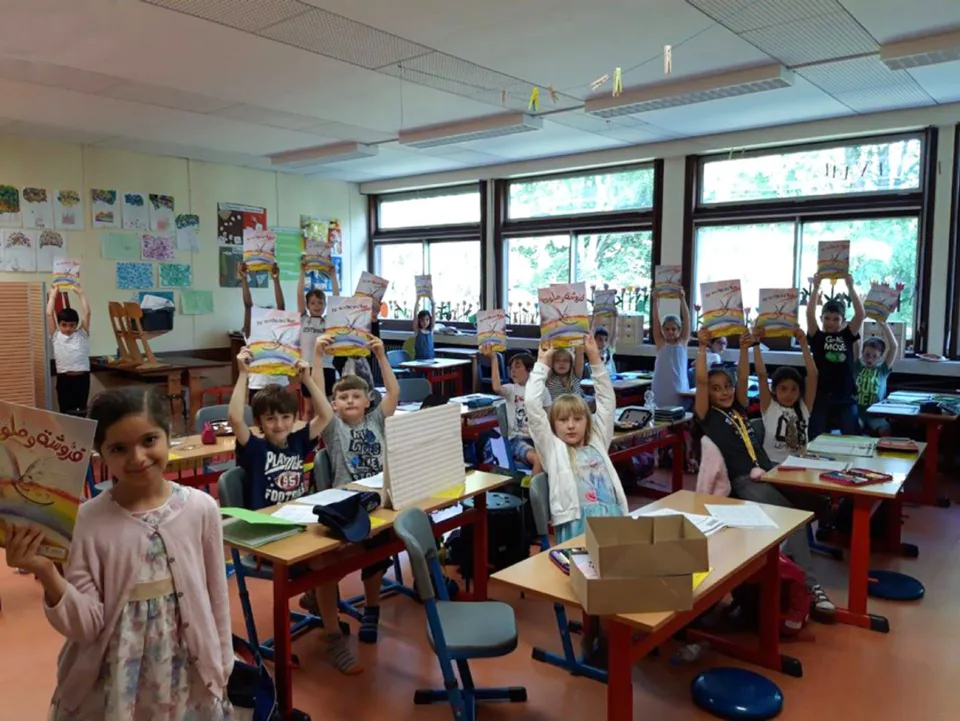
- Children's reading workshop: Two stories published by Khotoat were read aloud and distributed in Arabic and German. Reading sessions were held with three groups of children at the Petermannstraße Family Centre and the Gebrüder-Körting School. Both stories were written by two Syrian girls, Haneen and Sama Hani Shuwaikh.
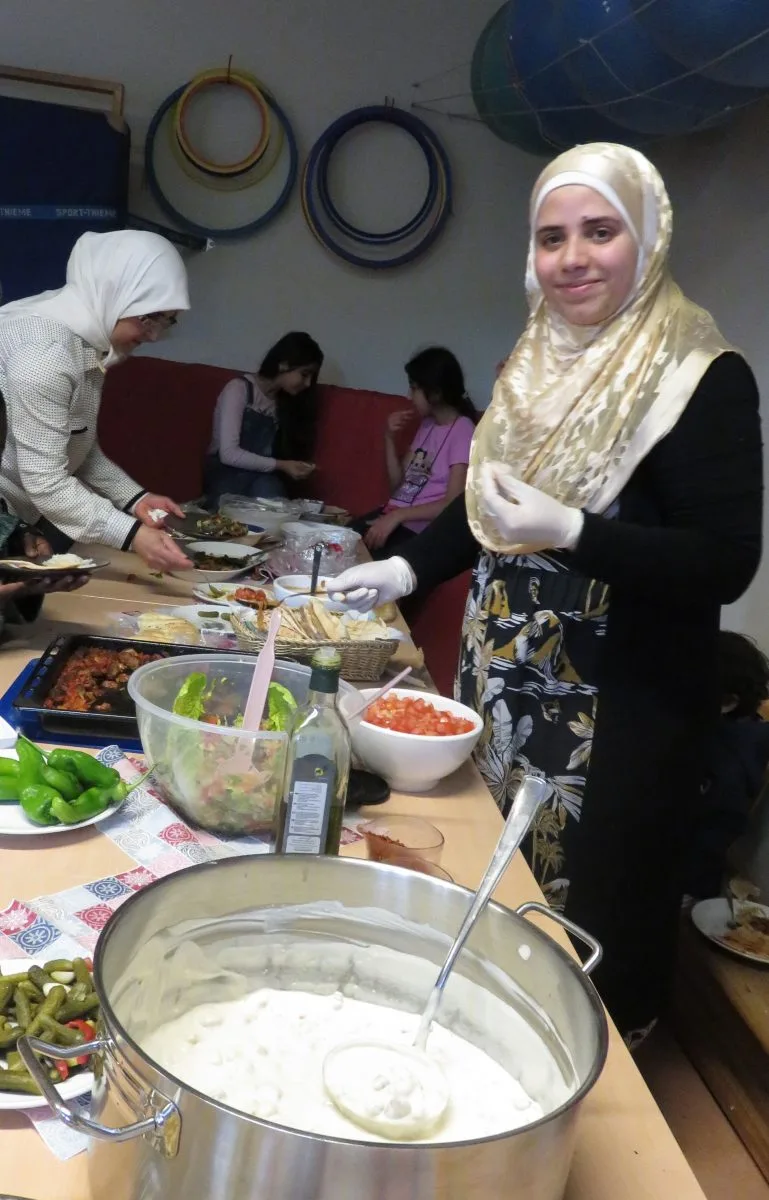
- Syrian Cuisine Day: A group of Syrian and German women came together to prepare a selection of traditional Syrian dishes.
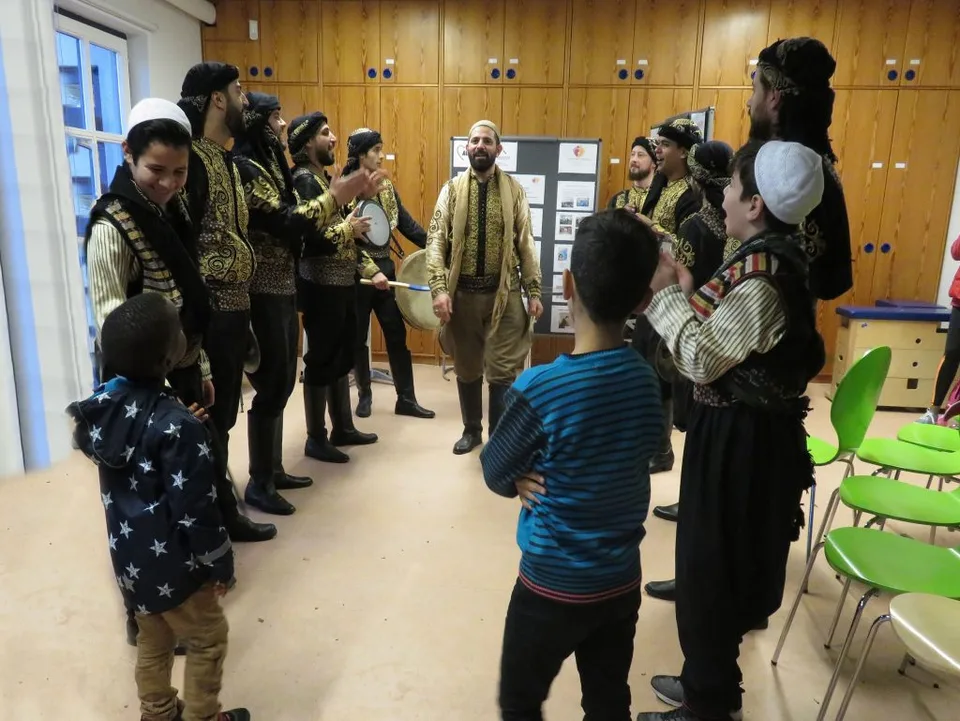
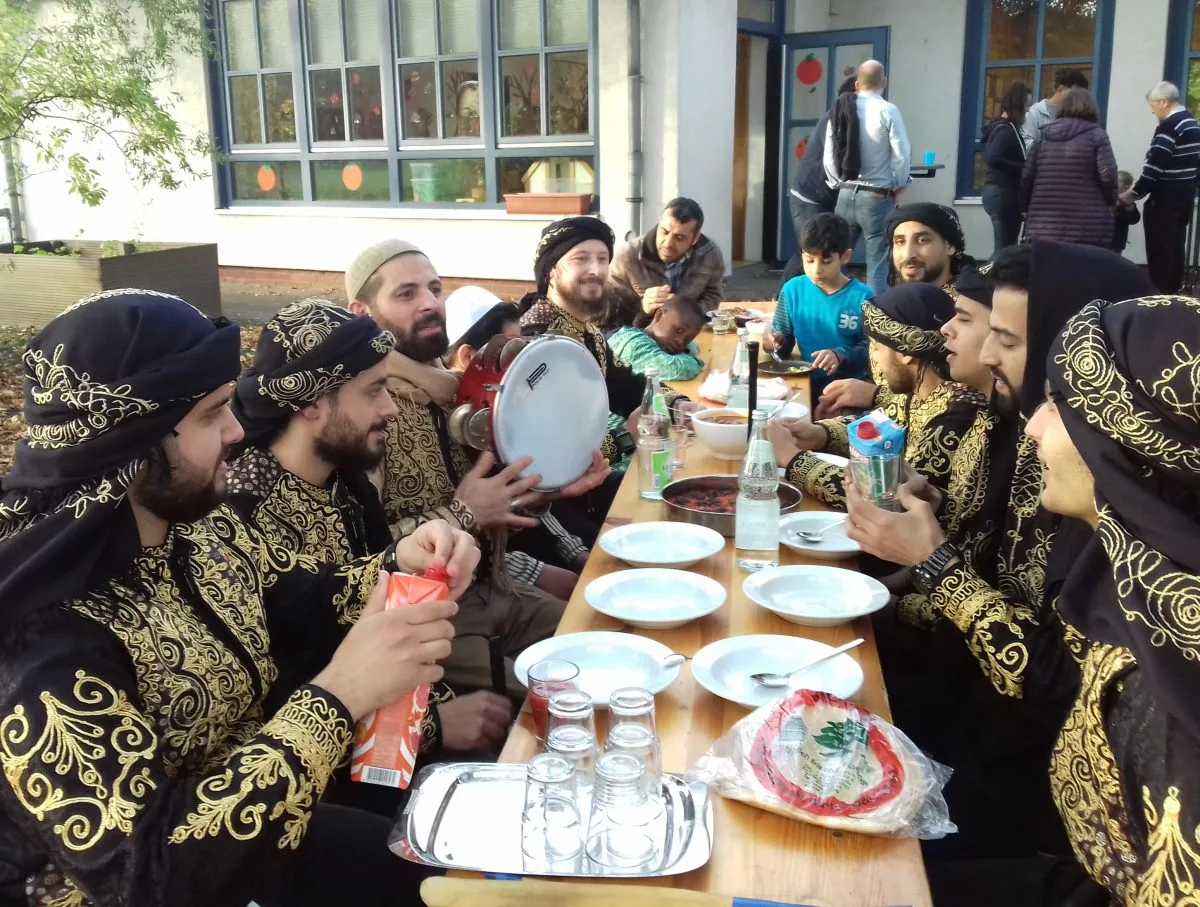
The week concluded with a special cultural event featuring a traditional Syrian Arada performance, offering a glimpse into Syria's cultural heritage. A varied selection of Syrian dishes was also served.
The programme included games and activities for children that introduced them to different aspects of everyday life in Syria.
Children and their parents also took part in a quiz about Syria. At the end, the children received small gifts inspired by Syrian culture.
An exhibition of drawings sent especially for the event by children living in Syria was also presented during the programme.
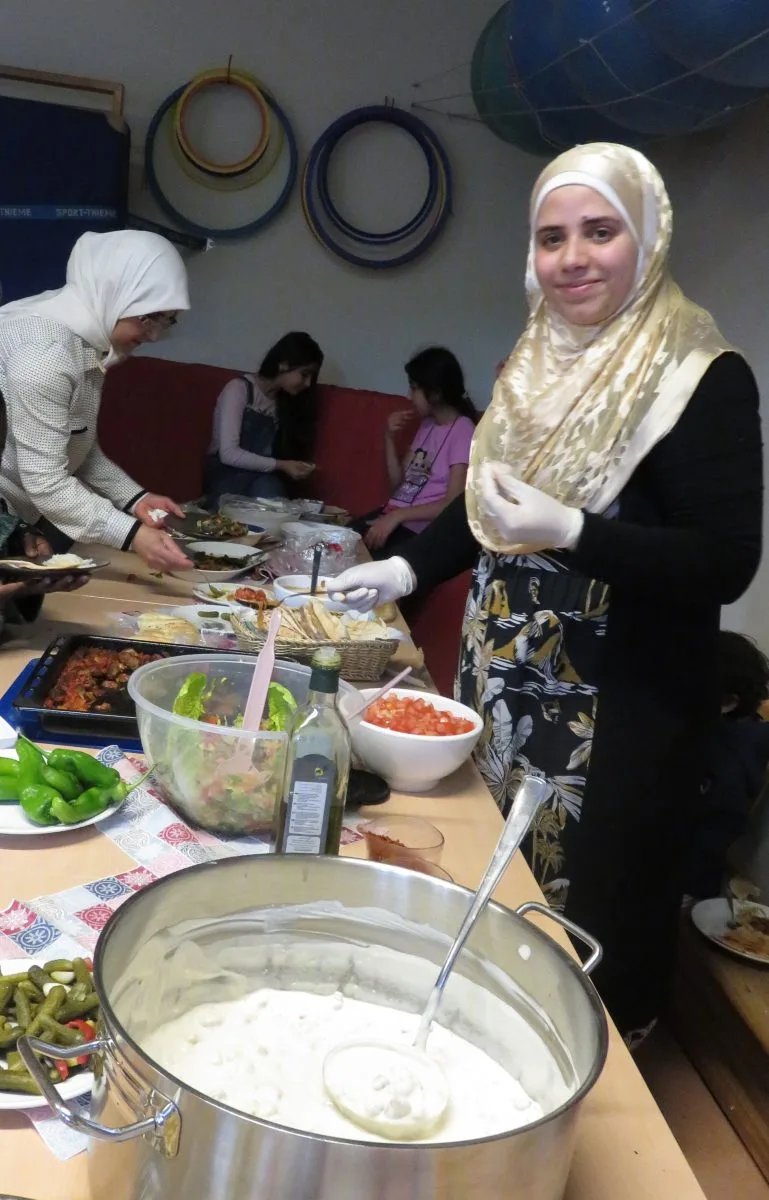
Bringing Cultures Together Through Cooking
Buthaina al-Ktaifi, who supervised the shared cooking activity, describes her experience:
"The event was a wonderful opportunity to introduce German society to Syrian culture, which remains unfamiliar to many people despite Syrians having lived among them for several years.
One of the most important ways to understand a society's culture is to learn about its food and cooking traditions.
For this reason, bringing together Syrian and German women, along with women of other nationalities, to prepare Syrian dishes was an enjoyable and successful experience.
It allowed us to introduce the richness and diversity of Middle Eastern cuisine in general, and Syrian cuisine in particular, while comparing it with German cooking, which is very different from our own.
The success of the activity in presenting an authentic picture of our culture was clear from the enthusiasm of the German women as we cooked together. They were eager to learn how to prepare Syrian dishes and expressed their wish to repeat the experience in the future."
A Week of Cultural Exchange
Saad al-Khadr, coordinator of the event, shares his reflections:
"The event was a wonderful opportunity, but also a considerable challenge.
Organising a wide range of activities within a single week to introduce the culture of an entire country is no easy task.
What made Syrian Culture Week special was that we did not limit our presentation of Syrian culture to folklore or individual cultural traditions.
Instead, we took a broader view of culture that also included social engagement through the visit to the care home, the reading workshop, and participation in community activities."
The various activities offered an excellent opportunity to present the social, developmental, and humanitarian dimensions of Khotoat's work, build bridges with others, and introduce the local community to the Syrian people and the authenticity of their culture.